
We can find web services and APIs (Application Programming Interfaces) everywhere, but many are painful to use. Have you ever connected a web service using its API and wondered, "What were they thinking?" We have, and connecting services via API can be confusing. Whether due to bad design, missing docs, constant changes, or bugs, using APIs is often a struggle.
But it doesn't have to be that way. We can create fantastic web APIs that people love using, and we'll enjoy making them too. So, what's the key to designing a good API? This issue shares the secrets, guiding us in creating a clean, well-documented API that is easy to use.
Get ready, and let’s understand how to design an API that people enjoy using.
APIs are crucial assets for companies. Customers don't casually use APIs – they invest time and money in integrating, coding, and learning about them. However, relying so heavily on APIs comes with challenges. The cost of discontinuing an API's use can be substantial, showing the critical role APIs play in operations.
Well-designed public APIs have great potential to attract and retain users. However, poor API design can quickly cause problems - like floods of support calls from a dysfunctional API. This can turn a company's greatest digital assets into headaches.
This dual nature of APIs points to the importance of care and precision when designing them. The goal is to craft APIs that provide more benefits than drawbacks.
When we build products, we're usually thinking about regular people without much tech expertise. We create a friendly interface, getting input on what they want. But API development is different - we're making an interface for skilled programmers. They notice even minor issues and can be as critical as we would be.
Our perspective as API designers is a bit distinct from that of users. We focus on what an API should do or offer. Meanwhile, users care about easily getting what they need with the least effort. These differing viewpoints cause problems. The key is shifting our viewpoint to match that of the user. Seems obvious, but few APIs take this user-centric approach.
A quality API has several characteristics that contribute to its effectiveness, usability, and long-term success:
Now that we've covered what makes a good API, let's move on to tips for designing one.
The first vital step for designing a quality API is gathering requirements from users. Approach this process with skepticism. Users often suggest specific solutions rather than focus on their underlying needs.
Our job is to have users walk us through core use cases to uncover those fundamental needs, even when hidden at first glance. There may be better design ideas lurking beneath the initial “solutions” suggested.
Additionally, it’s exciting to envision very versatile APIs that address a wide variety of challenges. But we must stay laser-focused on users' actual requirements first.
Start the design process by drafting a high-level functional specification. Speed and flexibility are more important than comprehensive details at this early experimental stage.
Share the draft widely, both with target users and other stakeholders. Listen intently to feedback, as there will likely be valuable insights on how to shape a refined offering.
The key is not making too many assumptions early on. Requirements gathering sets the foundation - take time to get it right before moving on to formal API design.
A key rule for designing excellent APIs is that each should focus squarely on solving one primary problem very well rather than trying to address too many diverse issues.
Creating a general “Swiss army knife” API attempting to cover many use cases often fails. The scope gets too scattered without a crisp, singular purpose tied to specific user needs. Trying to be everything for everyone results in shallow functionality.
Instead, limit the scope of each API we build. Ensure the purpose stays clear and focused. Align all capabilities directly to that goal of fulfilling a distinct user need. Anything peripheral should be removed.
For example, an API focused solely on address validation has a clear purpose. One centered exclusively on credit card transactions defines different but still narrow functionality.
Let’s explore some effective naming practices and standardized responses that contribute to an API's overall clarity and consistency.
When designing a good API, clarity starts with the names we choose for endpoints and resources. Adopting and applying naming conventions consistently allows developers to intuitively understand the API, like speaking a common language. For instance, using the RESTful convention for endpoints like "/users" to retrieve user information aligns with industry standards. This helps developers grasp the purpose of endpoints without excessive documentation.

Ambiguous endpoint names can lead to confusion and misuse of the API. Let's take an example from the financial domain. Suppose we have an API endpoint responsible for processing transactions. Instead of a generic name like "/process" for a POST endpoint, a name like "/transactions" to indicate the processing of transactions would be more RESTful. This explicit naming practice prevents confusion and clearly communicates the endpoint's functionality.

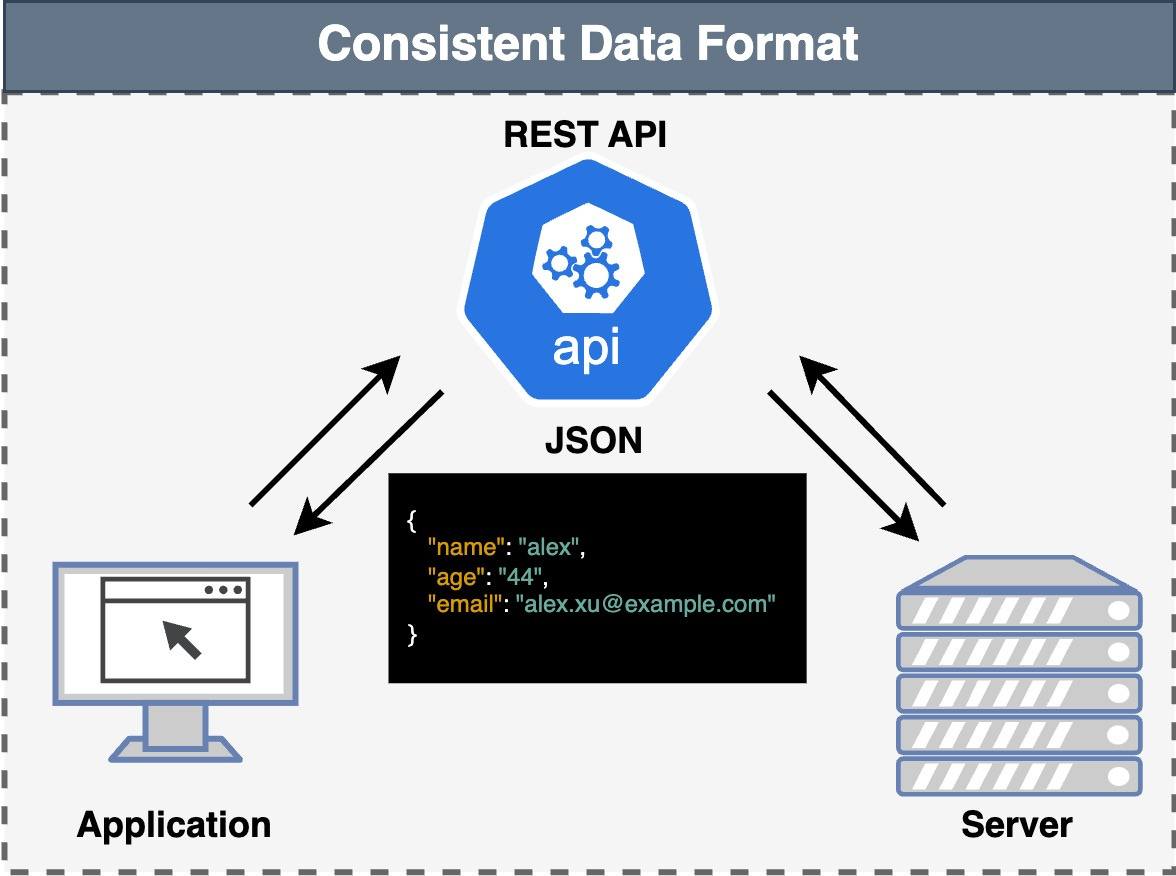
When designing an API, it's important to consider how the API will respond to requests with data. Consistently structuring response data enables easier integration and faster development cycles for API consumers.
Take our user profile example - an endpoint that returns profile information for a given user ID. Responding consistently with key user attributes structured uniformly allows developers to parse details they need from the response reliably. For instance, including name, email, age, location, and other identifiable user attributes in a predictable JSON structure for every user profile response enables intuitive integration.
This approach contrasts with unpredictable or inconsistent data structures in responses. Varying formats or unexpected attributes force developers to constantly reshape integration logic to fit every endpoint. Standardization eliminates these pains.
Put yourself in the user's position. What's more frustrating than writing documentation? Trying to use an API without any documentation.
Well-written, thorough documentation serves as a guide. It enables developers to integrate our API while minimizing the learning curve. If we want people to use our API, top-notch documentation is essential. It makes that vital first impression. Make it user-friendly, and users are more likely to embrace our API.
Look at the documentation for Twilio, Slack, and Stripe APIs to understand what effective documentation looks like.

Now, how do we create great documentation? Let’s find out.
Effective documentation starts by clearly and fully describing each API endpoint and method. For example, if our API provides weather data, the documentation for the "/weather" endpoint should explain its purpose, accepted parameters, and response format.
Usage examples, tutorials, and code samples provide invaluable learning aids for developers navigating our API documentation.
For instance, if our API requires authentication via OAuth 2.0, offer concise yet illustrative code snippets in multiple programming languages. Give them the basics, direct them to detailed functionality, and let them build on them. This helps users understand where to begin with our API and how they could integrate it into their applications.
As APIs change over time, we must diligently keep our documentation updated. This ensures developers have the latest information about API modifications. Outdated documentation can cause integration problems and frustrate users.
Once written, share our documentation with other developers in our network and challenge them to build something basic using our documentation. If they cannot achieve basic integration, our documentation needs reworking.
Maintaining a stable API ensures long-term user satisfaction and minimizes disruption. As APIs evolve, introducing new features or making changes to existing functionality can potentially break compatibility for current users. To navigate this challenge, adopting a consistent versioning strategy is crucial. Below, we explore various versioning strategies and offer insights on managing them effectively.
This is the most straightforward approach, where the version number is embedded directly in the API endpoint URL, as in https://myapi.com/api/v1/widgets. It offers clear visibility of the API version being used and facilitates easy transitions between versions.
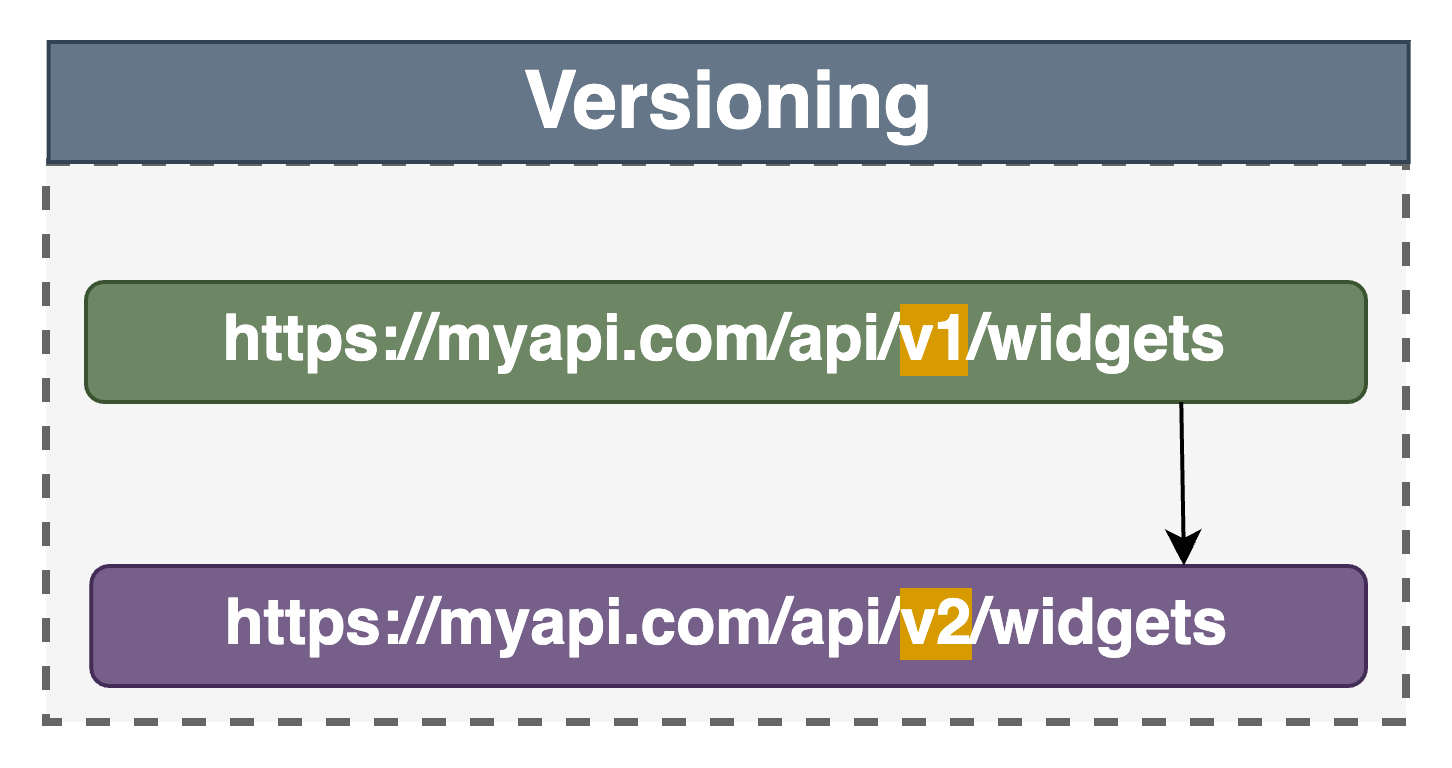
Another method involves specifying the version via a request parameter, such as https://myapi.com/api/widgets?version=1. This approach keeps the URL cleaner but can complicate caching strategies as some CDNs might stripe query parameters when caching.
With this strategy, the version information is included in the header of the HTTP request, for example, Accept-version: v1. This method keeps URLs clean and consistent across versions but requires clients to modify header information, which might not be as straightforward for all users.
Backward compatibility: Make new versions backward compatible to ease the transition for existing users. When breaking changes are unavoidable, versioning becomes an essential tool.
Deprecation policy: Clearly communicate the lifecycle of each API version. Include deprecation notices and end-of-life dates and give users ample time to migrate.
Changelogs: Comprehensive documentation is crucial for each version. Include detailed changelogs that highlight new features, fixes, and breaking changes. This transparency eases the migration process for users.
Effective error handling is a cornerstone of user-friendly API design, turning potential frustrations into opportunities for easy debugging and problem resolution. When an API consumer encounters an error, the way the API communicates what went wrong and how to fix it can make a substantial difference in user experience. We discuss some of the key elements to consider.
Each error response should include a standardized error code alongside a human-readable message. This practice helps developers quickly identify the error type and understand what went wrong without needing to dig through documentation. For instance, differentiating between client-side errors (like a 400 Bad Request) and server-side issues (like a 500 Internal Server Error) with clear messages guides users in the right direction for troubleshooting.
Adopt a consistent format for all error messages, including elements such as an error code, message, possibly an error type, and a reference link to the documentation for further details. This consistency enables API consumers to build more robust error-handling mechanisms in their applications.
Whenever possible, include additional context in the error responses. For instance, if a request fails due to invalid parameters, specify which parameter is invalid and why. This level of detail enables developers to diagnose issues quickly and educates users on how to use the API more effectively.
Securing API access goes beyond mere best practices. It’s absolutely necessary to safeguard data and ensure trust in the API. Effective API design incorporates security as a foundational element. It simplifies authentication and authorization while providing robust defense against unauthorized access and potential security threats.
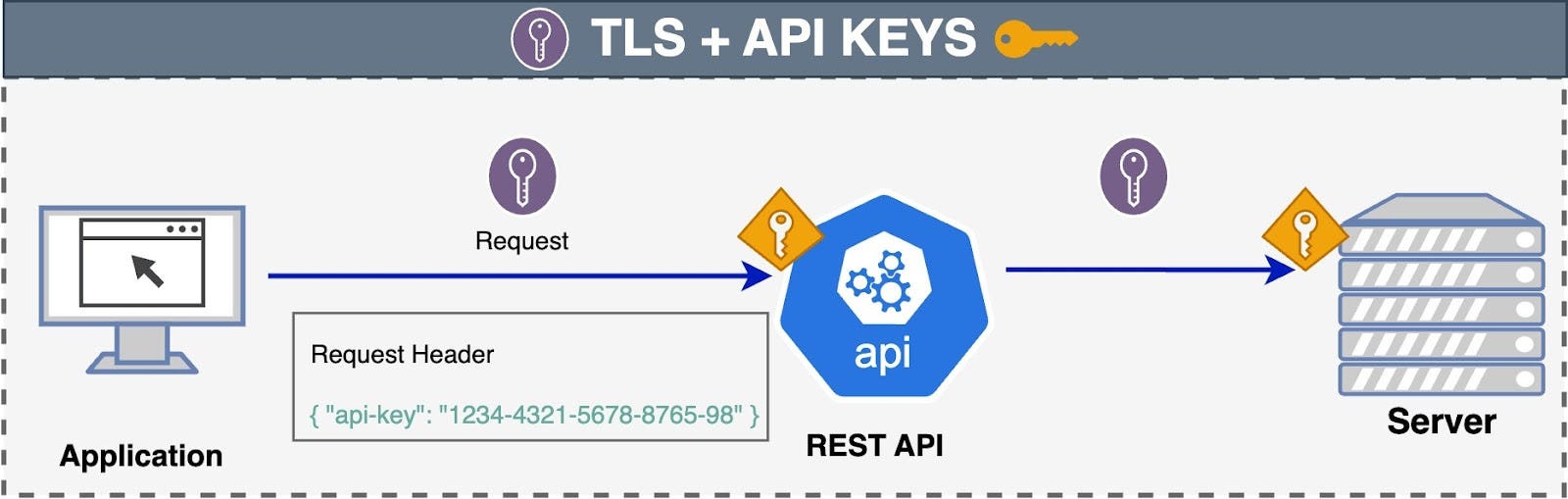
Think of API keys as digital credentials for accessing an API. Consider a weather forecast API that requires developers to include their unique API key in the request headers. This key acts as a passcode, granting access to weather data. Emphasizing the importance of securing API keys and regularly rotating them enhances overall API security, preventing unauthorized usage and potential breaches.
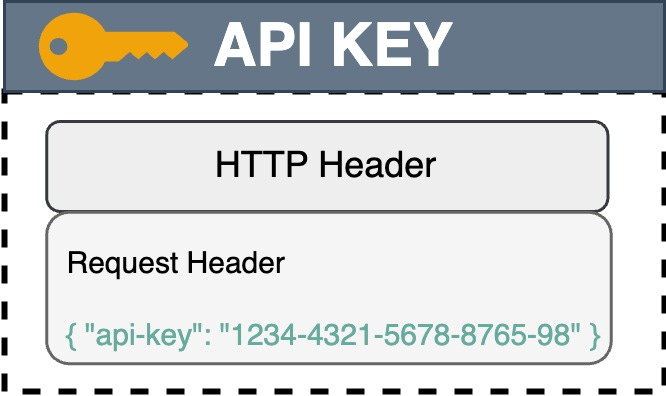
Beyond basic API keys, consider implementing more sophisticated authentication mechanisms, such as OAuth 2.0, for scenarios requiring fine-grained access control over user data. For instance, a health data API might leverage OAuth to provide third-party applications with controlled access permissions. This ensures operations are securely limited to what's explicitly authorized by the user.
Implement rate limiting to prevent abuse and ensure fair usage. It also safeguards against DDoS attacks. Picture a social media API that enforces rate limits to prevent spam and maintain service reliability. By specifying the maximum number of requests a user or API key can make within a given time frame, rate limiting mitigates the risk of malicious attacks.
Consider a healthcare API that transmits patient records securely. Encryption, particularly through protocols like TLS, is critical for protecting sensitive data during transmission. Implementing secure storage practices, such as hashing and salting for user credentials, ensures that even if unauthorized access occurs, the impact is minimized.
Utilize HTTP security headers to add an extra layer of protection for the API and its consumers. Headers such as Content-Security-Policy, X-Content-Type-Options, and X-Frame-Options can prevent several classes of attacks, including cross-site scripting and clickjacking. Additionally, configure Cross-Origin Resource Sharing (CORS) policies carefully to control which domains are allowed to access your API, preventing unauthorized cross-domain requests.
Engaging our user community is not just a strategy but a commitment to continual improvement. Let's explore how to establish a robust feedback loop, cultivate a vibrant developer community, and effectively apply real-world user feedback.
Consider a weather API that wants to improve the user experience. By building user-friendly feedback mechanisms into its mobile app and website, the API encourages users to share their experiences, report inaccuracies in weather data, or suggest new features. This direct communication allows the API team to gather valuable insights from users, address concerns promptly, and prioritize features that align with user needs.
A vibrant developer community is vital for any API's success and growth. For example, envision a fintech API that actively invests in cultivating such a community by hosting regular virtual meetups, participating in industry conferences, and maintaining an active presence on platforms like Stack Overflow. This allows developers to connect with each other and the API team, share insights, and collaboratively troubleshoot issues. A dynamic community attracts new API users and empowers existing ones to become advocates, sharing their integration success stories and thus contributing to the API's expanding adoption.
In conclusion, designing an effective API is critical for its success and long-term usability. The key lies in creating an API that is clean, well-documented, and easy to use.
Designing a good API involves gathering requirements, focusing on a single purpose, and ensuring clarity and consistency in naming practices and responses. Comprehensive documentation serves as an indispensable guide for developers, contributing greatly to the API's overall adoption.
Stability through versioning is vital for maintaining a reliable API, with suggestions to include version numbers in the URL and keeping a changelog for users. Security measures, including API keys, OAuth tokens, rate limiting, and sensitive data protection, are crucial for safeguarding an API against unauthorized access.
Finally, community engagement is highlighted as a commitment to continual improvement, with tips on establishing feedback loops, building developer communities, and evolving the API based on real-world user feedback.